Top 10 Essential Tips for 3D Wheel Alignment Success?
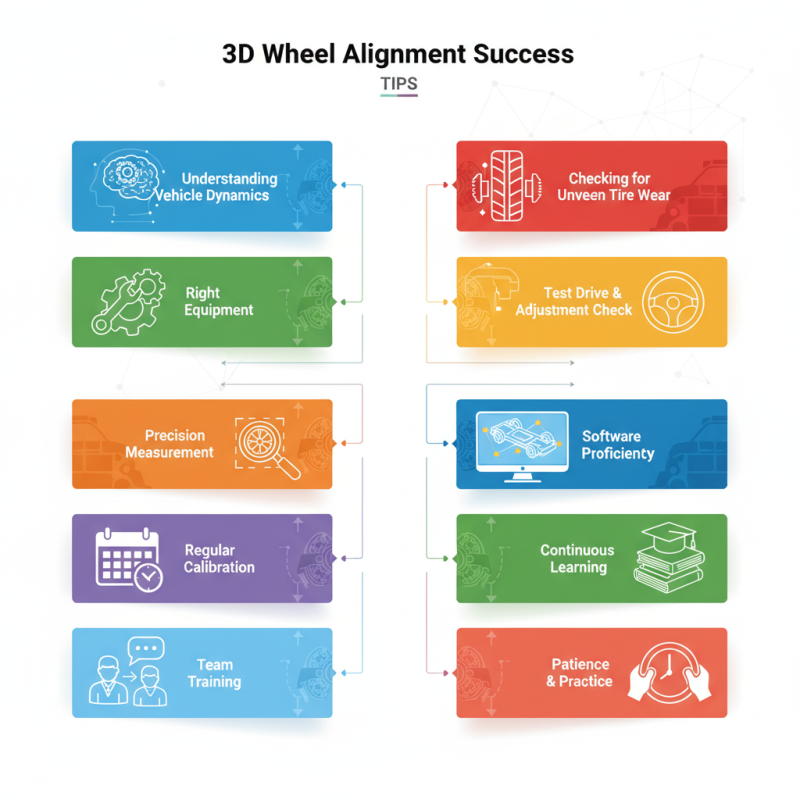
In the world of automotive repair, achieving accurate 3d Wheel Alignment is crucial. Misalignment can lead to uneven tire wear and compromised safety. Thus, mastering the techniques of 3D wheel alignment is essential for mechanics and car enthusiasts alike. This guide presents ten essential tips.
3D wheel alignment involves intricate measurements and adjustments. It requires not just the right equipment but also a keen understanding of vehicle dynamics. Technicians often overlook minor discrepancies, leading to larger issues down the line. Precision matters, especially when dealing with modern vehicles that demand high standards.
Consider the importance of calibration. Even a small error in setup can throw off alignment readings. Regular training is crucial for professionals. Ensuring everyone is on the same page can prevent mistakes. This process demands patience and continuous learning. While this guide provides essential tips, remember that practice will sharpen your skills over time.
Understanding the Basics of 3D Wheel Alignment Technology
3D wheel alignment technology has transformed vehicle maintenance. It relies on precise measurements to adjust the angles of the wheels. This ensures they are parallel to each other and perpendicular to the ground. The setup involves advanced sensors and camera systems that assess the vehicle's current alignment. However, many technicians still struggle to fully grasp the nuances of this technology.
Understanding the basics is essential. For instance, knowing camber, caster, and toe angles is important. Each plays a crucial role in how a vehicle handles on the road. Regular training on 3D alignment tools is often overlooked. Technicians might skip this refresher, leading to potential mistakes. Aligning wheels requires attention to detail. Common pitfalls include misreading data or overlooking subtle vehicle discrepancies.
Finally, communication with customers is key. Often, they may not understand the reasons behind misalignments. Explaining why regular checks are necessary helps build trust. However, technical jargon can alienate them. Strive to keep explanations simple and relatable. These insights into 3D wheel alignment can ultimately enhance service quality.
Choosing the Right Equipment for Accurate 3D Wheel Alignment
When it comes to 3D wheel alignment, selecting the right equipment is crucial for achieving accuracy. The industry reports that precision in wheel alignment can enhance tire life by up to 25%. Choosing advanced 3D systems ensures that the data collected is reliable. These systems use lasers and cameras to measure alignment angles, providing an exact readout. However, not all setups are equal. Some technicians report inconsistencies, especially with older models lacking software updates.
There's also the importance of training. Even with the best equipment, untrained staff can lead to errors. According to a recent survey, 40% of alignment issues stem from improper usage of the tools. Regular training can mitigate this risk. Moreover, users often overlook the need for routine maintenance of their equipment. Without it, accuracy can degrade over time.
Many workshops might rush into purchasing new technology without assessing their specific needs. The right equipment should match the volume of vehicles serviced daily. Some might select systems based on price alone, rather than features or support. This can backfire, leading to more frequent alignment problems.
Top 10 Essential Tips for 3D Wheel Alignment Success
| Tip No. | Tip Description | Importance Level | Recommended Equipment |
| 1 | Ensure proper set up of the 3D alignment system. | High | 3D Alignment Software |
| 2 | Regularly calibrate your alignment machines. | High | Calibration Tools |
| 3 | Check tire pressure before alignment. | Medium | Tire Pressure Gauge |
| 4 | Use high-quality alignment targets. | High | Alignment Targets |
| 5 | Inspect suspension and steering components. | High | Inspection Tools |
| 6 | Perform a test drive after alignment. | Medium | Diagnostic Software |
| 7 | Keep a clean workspace. | Medium | Cleaning Supplies |
| 8 | Educate staff on the latest 3D alignment practices. | Medium | Training Programs |
| 9 | Understand vehicle specifications for alignment. | High | Vehicle Manuals |
| 10 | Document and review alignment results. | Medium | Documentation Tools |
Step-by-Step Process for Performing 3D Wheel Alignment
When performing 3D wheel alignment, a systematic approach is crucial. Start by preparing the vehicle. Ensure it's on a flat surface. Check tire pressures and inspect the tires for wear. These details can significantly impact alignment results. Take a moment to notice any unusual tire patterns. They can indicate underlying issues that need addressing.
Next, position the 3D alignment equipment accurately. Calibration is vital for precise measurements. Misalignment can occur if the equipment is not set up correctly. After calibration, record initial measurements and compare them to manufacturer specifications. It’s essential to pay attention to discrepancies. They might guide you to issues like bent axles or suspension problems.
Finally, adjust the angles meticulously. Each adjustment can influence the overall performance. Re-check the measurements after every change. This might feel tedious, but it ensures accuracy. Sometimes, a small tweak can lead to significant improvements in handling. Reflect on your process. Did you overlook any minor details? An important lesson in wheel alignment is that precision matters.
Top 10 Essential Tips for 3D Wheel Alignment Success
This bar chart illustrates the importance rating of each essential tip for achieving successful 3D wheel alignment. Each tip is rated on a scale of 1 to 10, providing insight into which tips are considered most critical.
Common Challenges in 3D Wheel Alignment and How to Overcome Them
3D wheel alignment can be tricky. Technicians often face common challenges that can affect the accuracy of their work. One major difficulty is ensuring that the vehicle is level during the alignment process. If the car is on an uneven surface, the readings can be skewed. It is essential to conduct the procedure on a flat surface. Additionally, double-check the calibration of the alignment machine. Miscalibrated equipment can lead to serious errors.
Another challenge involves interpreting the readings. New technicians might struggle to understand how different angles affect tire wear. The camber, caster, and toe need to be carefully analyzed. It helps to take notes during each alignment process. This way, technicians can learn from past experiences and improve. It's also vital to communicate any findings with customers clearly. This builds trust and ensures they understand the importance of proper alignment.
Lastly, technicians must consider the condition of suspensions and tires. Worn-out parts can complicate alignment adjustments. Regular inspections of these components can prevent alignment issues. Technicians should be aware that sometimes, despite best efforts, results may not be perfect. This serves as a constant reminder to keep refining their skills and knowledge.
Maintaining Your Wheel Alignment Equipment for Long-Term Success
Maintaining wheel alignment equipment is crucial for long-term success. Regular inspections can identify potential issues before they escalate. A study shows that 70% of misalignment cases result from worn components. This statistic highlights the importance of timely maintenance. Inspecting laser sensors and alignment software regularly can prevent costly repairs.
Cleaning equipment should be part of your routine. Dust and debris can affect precision. In fact, contaminated sensors lead to a 15% increase in error rates. This is significant when you consider the potential impact on customers’ vehicle performance. Ensure that all tools are stored properly to avoid unnecessary wear.
Training staff is equally essential. Often, technicians overlook subtle signs of wear. Around 30% of operators lack proper training in equipment use. This gap can lead to mistakes that compromise alignment accuracy. Schedule regular training sessions to keep your team updated. Remember, a well-maintained tool is only as good as its operator.


